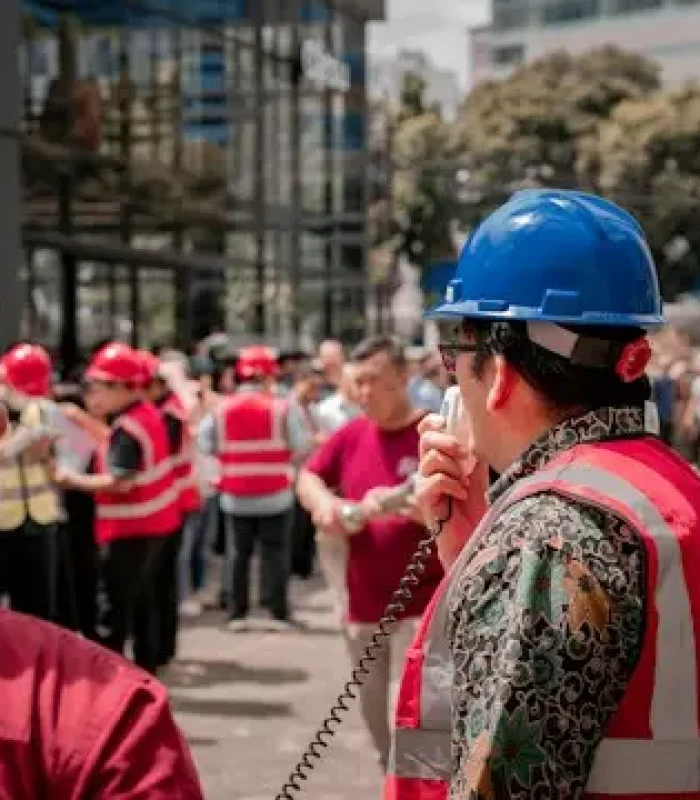
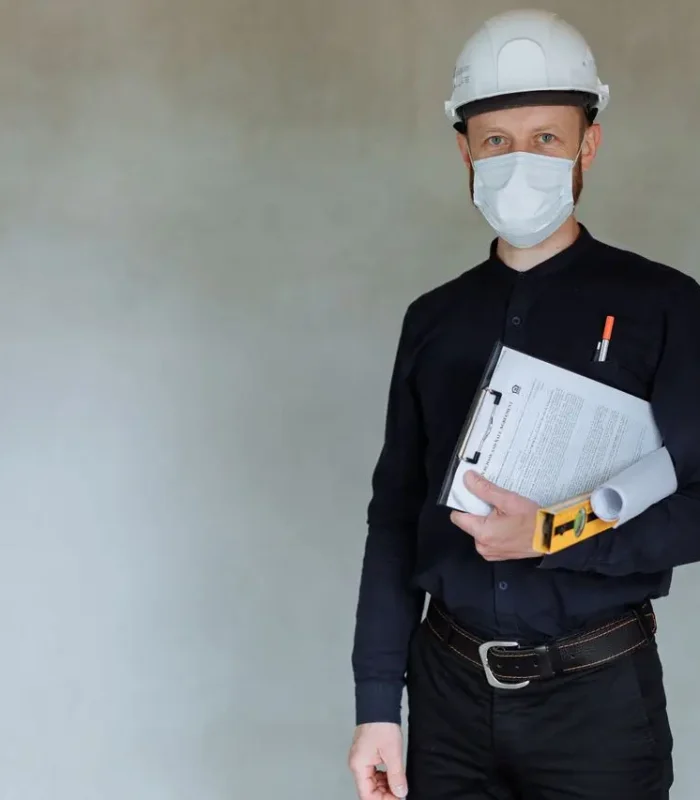
Keeping one site on top of silica rules takes work. Keeping several sites aligned may feel like constant catch-up, with different crews and paperwork habits at each.
Managing silica compliance in NSW across multiple sites comes down to one central system.
Every at-risk worker needs to complete approved training, respirator wearers need annual fit testing, each high-risk task sits under a silica risk control plan, and records live in one place.
When every site follows the same process, gaps may be easier to spot early. At Munro Respiratory Services, respiratory safety and compliance are what we do every day, giving you the expertise and support needed to keep every worker protected and every site fully compliant.
Why Silica Compliance in NSW Gets Harder Across Multiple Sites
Silica Awareness Training in NSW for Every Site
Annual Mask Fit Testing for Workers Across Sites
Keeping Silica Records Consistent Across Sites
Applying Silica Risk Controls the Same Way at Every Site
Common Questions About Silica Compliance
Keeping Every NSW Site on the Same Silica Schedule With Munro Respiratory Services
What You’ll Learn
|
Why Silica Compliance in NSW Gets Harder Across Multiple Sites
Multi-site silica compliance means meeting the same legal duties at every location where workers process crystalline silica. The rules stay the same between sites, but people and habits often differ. That variation is where most gaps begin.
Common multi-site gaps include:
- Training completed at one site but never logged centrally
- Fit test dates tracked in separate spreadsheets
- Workers moving between sites without current certificates
Silica Awareness Training in NSW for Every Site
Silica Awareness Training in NSW is required for workers involved in high-risk processing of crystalline silica substances, or exposed because of that processing.
According to SafeWork NSW, the training must meet approved criteria and may be delivered in-house or by a third party.
To cover every site:
- Build one company-wide list of roles that need training
- Mix on-site group sessions with remote sessions for smaller teams
- Train new starters and transfers before high-risk work begins
- Include supervisors, who enforce controls day to day
- Munro Respiratory delivers silica awareness training for NSW worksites on-site or remotely, and provides training records on completion.
Annual Mask Fit Testing for Workers Across Sites
Across multiple sites, keeping track of fit-testing deadlines is a major hurdle, and the numbers back it up. SafeWork NSW site audits revealed that nearly half (49%) of workers checked had not undergone required respirator fit testing.
Fit testing ensures a tight-fitting respirator seals properly to a worker’s face, and SafeWork NSW requires a competent person to perform this check at least annually. To keep every due date in view across multiple locations, consider these practical tips:
Tips for multi-site fit testing:
- Test workers before they first wear a tight-fitting respirator
- Retest when a worker changes respirator model or size
- Group test dates so whole crews fall due together
Munro Respiratory provides on-site mask fit testing across NSW, with prompt certificates and automated reminders when the next test is due.
Keeping Silica Records Consistent Across Sites
Records show regulators that training, testing, and controls actually happened.
According to SafeWork NSW, training records must be kept while a worker carries out high-risk processing and for five years after they leave the business.
| Record | What to Capture | When to Review |
| Training record | Worker, course, date, provider | When roles or sites change |
| Fit test certificate | Respirator model, size, test date, result | At least annually |
| Silica risk control plan or SWMS | High-risk tasks, controls, responsibilities | When a new hazard or risk is identified |
| Air monitoring results | Date, location, results against the exposure standard | After each monitoring round |
Review timings for fit testing, and plans follow SafeWork NSW guidance. Keep one central register with one person responsible for it.
Applying Silica Risk Controls the Same Way at Every Site
Risk controls are the measures that limit silica dust reaching workers, such as on-tool water suppression or dust extraction. According to SafeWork NSW, high-risk processing requires a silica risk control plan, or a SWMS for construction work.
A Consistent Site Process for Silica Controls
- Start from one company-wide plan template
- Adapt it to each site’s materials, tools and tasks
- Brief supervisors before work starts
- Review the plan when a new hazard or risk is identified
- Report air monitoring results above the workplace exposure standard to SafeWork NSW within 14 days, as SafeWork NSW requires
Common Questions About Silica Compliance
Do workers who trained before 1 September 2024 need to retrain?
SafeWork NSW notes that workers who completed a recognised course before 1 September 2024 do not need to repeat it. A site induction may still be useful when workers move between your sites.
Do we need a separate silica risk control plan for each site?
Each plan should reflect the high-risk tasks at that site, so one generic plan may leave gaps. NSW Resources states tier 3 quarries may meet the requirement through existing systems.
Is fit testing required for loose-fitting respirators?
According to SafeWork NSW, fit testing is not required for positive pressure loose-fitting head tops or hoods connected to a PAPR or airline.
How long does mask fit testing take per worker?
Each test with Munro Respiratory takes about 15 to 20 minutes per person, which makes it easy to schedule testing around your site’s shift patterns without disrupting daily operations.
What happens if a site falls behind on silica compliance?
Falling behind on silica compliance can quickly lead to SafeWork NSW improvement notices, heavy fines, or immediate work stoppages.
Keeping Every NSW Site on the Same Silica Schedule With Munro Respiratory Services
Juggling silica obligations across several sites is a lot to carry, especially when crews move, and deadlines stack up. A shared register, template and schedule may turn a scattered process into one that is easier to check at a glance.
Munro Respiratory Services brings Silica Awareness Training and mask fit testing to workplaces across NSW, with records and reminders to help every location stay on track.
This article offers general information only and should not be relied upon as professional, technical, or regulatory advice. Requirements and best practice vary. Please consult a suitably qualified professional before acting on any information provided here.