
Home » Mask Fit Testing » Mask Fit Testing Sydney
Mask fit testing Sydney
Respirator fit testing designed to provide a secure seal for workers’ health and safety.
A respirator is only as useful as its fit
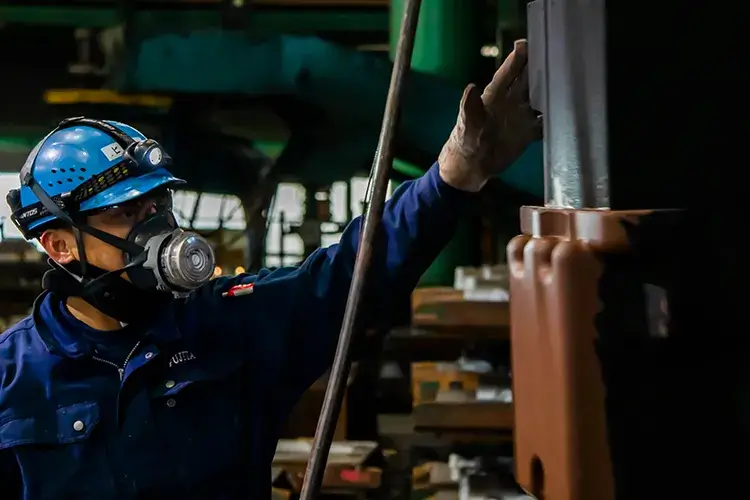
Wearing respiratory protective equipment (RPE) is one thing. Knowing it forms a proper seal is another. Even small gaps between a tight-fitting respirator and the face may let contaminated air in, reducing protection against silica dust and other airborne hazards.
Munro Respiratory Services provides on-site mask fit testing in Sydney in an effort to help businesses ensure their workers’ respirators fit correctly. We offer both qualitative and quantitative respiratory fit testing, with efficient testing, prompt certificates, and annual reminders to make ongoing testing easier to manage.
Who needs respiratory fit testing in Sydney?
No two faces are exactly the same, so the same respirator will not necessarily fit everybody the same way. Fit testing is used to determine whether a particular make, model, style, and size of tight-fitting respirator may achieve an adequate seal for the person wearing it.
Fit testing in NSW is required for workers in:
- Construction
- Mining and quarrying
- Drilling and tunnelling
- Demolition
- Stone masonry and fabrication
- Manufacturing
- Foundries
- Exploration
- Other workplaces where workers rely on respiratory protective equipment (e.g. students/universities, healthcare, farming and agriculture
Two methods with one important goal
There are two main methods of respirator fit testing: qualitative fit testing (QLFT) and quantitative fit testing (QNFT). Both assess mask fit, but they do it in different ways.
Qualitative fit testing
A qualitative test uses a test agent, typically a bitter-tasting substance, to check whether the respirator maintains an adequate seal. This method is used for half-face disposable and reusable respirators and produces a subjective result based on the individual's response to the testing agent to give a pass/fail result.
Quantitative fit testing
Quantitative respiratory fit testing measures particle concentrations inside and outside the respirator to calculate a numerical fit factor. It may be used for half-face and full-face respirators and when a quantitative method is required.
At Munro Respiratory Services, we use the AccuFit 9000 Pro for quantitative fit testing. The specialised equipment measures particle concentrations while the worker completes a series of exercises, producing an objective result with a fit factor score
What happens during mask fit testing?
1. Fitting the respirator
The worker puts on and adjusts their respirator while our fit tester guides them through proper fitting and fit checks. We check the respirator to make sure it is positioned correctly before testing begins.
2. Testing the seal
The worker moves through a series of exercises designed to represent normal movement while wearing a respirator. We then assess the seal using either a qualitative test or a quantitative fit test, depending on the testing method being used.
3. Assessing the results
Once the respirator passes, we issue a fit test record and report for company compliance. We also arrange automated reminders for the next annual test, taking one more compliance date off your team's to-do list.
Why Munro Respiratory Services?
We understand your workplace
Our experience across health, mining, and other industries means we understand the environments where respiratory protection matters and the practical realities of organising testing around a working team.
Offering both testing methods
We offer both qualitative and quantitative methods of respiratory fit testing. We use the AccuFit 9000 Pro for Quantitative fit testing
Convenience across Sydney
Each fit test takes approximately 15 minutes per person. We bring testing to your site in Sydney, issue certificates promptly, and send automated annual reminders to help you stay on top of retesting.
Common questions about mask fit testing services
How often do I need to do mask fit testing?
Fit testing should take place before a tight-fitting respirator is first used and at least every 12 months after, or if a new make and model is required. Retesting may also be required if physical changes such as significant weight loss or gain, dental work, or facial surgery could affect the fit.
Do workers need to be clean shaven?
Yes, in cases where facial hair would sit between the respirator and the skin. Facial hair in this area, called the sealing area, may prevent a tight-fitting respirator from forming a proper seal, so workers should arrive clean-shaven.
What happens if an employee fails the fit test?
Failing doesn’t necessarily mean there’s something wrong with the respirator. It means that particular respirator didn’t achieve the required fit for that person. Another size, model, or style may fit better, and we can then assess that fit.
What's the difference between a fit test and a fit check?
A fit test aims to determine whether a particular respirator provides an adequate seal for somebody and is completed at required intervals. Meanwhile, a worker should perform a fit check each time they put on their tight-fitting respirator to check that it seals well.
What's the difference between a qualitative test and quantitative test?
A qualitative test produces a pass-or-fail result using a test agent, while a quantitative test uses equipment intended to measure the respirator’s fit and produce a numerical fit factor. The appropriate method can depend on the type of respiratory protective equipment you’re testing.
How long does mask fit testing take?
A fit test takes approximately 15 minutes per person. Because we deliver testing services on-site, your workers can be tested and return to work with minimal disruption.
Can you test a large number of employees at once?
Yes, we can organise on-site fit testing for workplace teams across Sydney. Depending on the number of staff requiring testing, we can come out to sites over multiple days if required.
Book your Sydney mask fit testing today
When workers rely on a tight-fitting respirator for protection from airborne hazards, getting the fit right is essential. Munro Respiratory Services makes respiratory fit testing simple with on-site testing across Sydney, qualitative and quantitative methods, prompt certification, and reminders when it’s time to test again.